
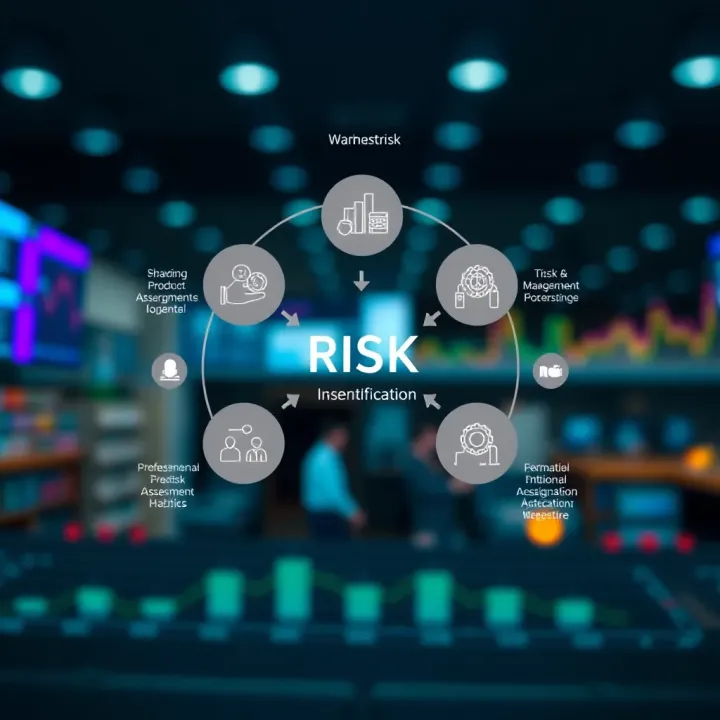
Risk Management Processes for Smarter Business Decisions
Learn how Kenyan businesses can identify, assess, and manage risks to safeguard operations and boost smart decisions 📊✅ Practical tips for effective risk control
Edited By
Victoria Reed
Risk management is more than just a buzzword in Kenyan business circles today. It's about knowing the potential problems that could hit your venture or investments and planning smart ways to handle them. Whether you are trading on the Nairobi Securities Exchange or managing your savings with M-Pesa, understanding risk can save you from heavy losses.
Many traders and finance analysts often face risks like market volatility, currency fluctuations, or political changes. Likewise, students and brokers must grasp these concepts to make informed decisions. This guide provides practical steps and clear examples for spotting and managing risks effectively.
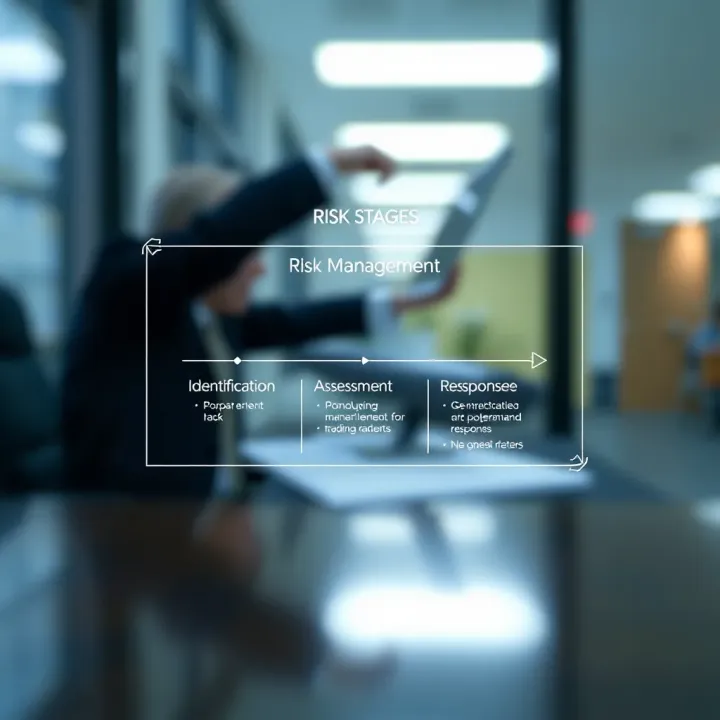
Risk management means identifying, assessing, and responding to possible challenges early enough, not just reacting after loss happens.
Unmanaged risks can lead to wasted resources, missed opportunities, or even business failure. For instance, a jua kali craftsman might lose income if they don't consider demand changes or supply price hikes. A small retail shop in Nairobi's CBD may face theft or power outages disrupting sales – identifying such risks prepares them to find solutions or backups.
Risk Identification: Spotting potential risks, such as inflation soaring and increasing your costs.
Risk Assessment: Evaluating how likely these risks are and their possible impact, e.g., how a currency devaluation might affect your imported goods.
Risk Response: Choosing to avoid, mitigate, transfer, or accept the risk depending on your priorities.
Several frameworks simplify this process. The COSO and ISO 31000 models are popular in Kenyan firms for structuring risk management activities. They guide organisations from spotting risks to continuous monitoring and reporting.
Having access to well-organised PDF tools and templates helps standardise risk assessment whether you’re a student preparing a project or an investor reviewing portfolios. These documents enable you to document risks clearly and apply structured responses, improving communication within your team or with stakeholders.
In the next sections, we will explore detailed examples tailored for Kenyan markets, walk you through risk evaluation techniques, and share reliable PDF resources to download and use straight away.
Risk management forms the backbone of sensible decision-making, especially in finance, trading, and investments where uncertainties can turn profits into losses overnight. It means recognising potential threats early, evaluating their impact, and taking steps to minimise harm. For Kenyan traders and investors, understanding risk management isn’t just academic—it’s a daily necessity to protect business interests and personal wealth against market fluctuations, regulatory changes, or unexpected events.
Risk refers to the chance that something might not go as planned, leading to losses or adverse outcomes. For example, an investor buying shares of a listed company on the Nairobi Securities Exchange (NSE) faces risks like price drops due to global economic shifts or company performance. Risk management is the practice of identifying these threats, measuring their probability and potential impact, and putting controls to reduce negative outcomes. It is a proactive approach rather than simply reacting when problems hit.
Risk management involves several steps: identifying risks, analysing how serious they are, deciding which risks deserve attention, and choosing strategies to handle them. This might include spreading investments across sectors, buying insurance, or using stop-loss orders in trading to limit losses. For a small business owner in Nairobi, it could mean preparing for power outages by having backup generators or managing cash flow carefully to stay resilient in slow seasons.
Running a business or managing personal finances without risk management is like driving a matatu without brakes—you’re relying on luck. In Kenya’s dynamic market, risks come from many directions: currency fluctuations, new government policies, supply chain disruptions, or even local weather affecting agricultural yields. Managing these risks can protect income, safeguard jobs, and ensure sustainability.
Beyond business, risk management helps individuals in everyday decisions. Take health insurance coverage or saving for unexpected emergencies like medical bills or repairs at home. By planning ahead, people avoid financial shocks that could push them into debt.
Good risk management doesn’t eliminate uncertainty but reduces surprises, helps you prepare better, and lets you take advantage of opportunities confidently.
In trading, risk management can protect you from overexposure to any single position. Instead of betting all on one stock or commodity, diversifying and setting limits on losses helps keep your portfolio stable. In investments, recognising which risks are acceptable and which are too dangerous helps balance growth against safety.
Because risks vary depending on context, it makes sense to use frameworks and approaches that fit your situation. This article will guide you through these concepts, practical steps, and useful PDF tools you can use to sharpen your risk management skills and protect your financial future.

Risk management depends largely on three core components: identifying risks, assessing and prioritising them, and deciding on strategies to handle those risks. This structure helps traders, investors, and financial analysts organise their approach systematically. Without a solid grip on these pillars, efforts to minimise losses or seize opportunities become scattershot and ineffective.
Identifying risks is the first and most vital step. It means spotting all potential threats before they spiral out of control. For example, a stockbroker might monitor market volatility and geopolitical news as possible risks to investment portfolios. Techniques include brainstorming sessions, checklists, and interviews with team members who understand different business angles. In Kenya, these methods can be adapted by considering local factors like political cycles, currency fluctuations, or supply chain hiccups unique to regions.
Not every risk has the same impact. Assessing and prioritising risks means figuring out which ones could cause the most damage or opportunity loss. Analysts often use a risk matrix—plotting likelihood against impact—to rank risks. For instance, an investor might rank sudden changes in Central Bank of Kenya (CBK) interest rates higher than daily stock market shifts because the former potentially shakes the entire economy. This ranking helps you focus on risks that deserve immediate action and allocate resources wisely.
After prioritising, you choose how to deal with each risk. There are four main approaches:
Avoidance: Steering clear of high-risk activities altogether, like a trader avoiding volatile stocks.
Mitigation: Taking steps to reduce risk impact, such as diversifying a portfolio across sectors.
Transfer: Sharing the risk by insurance or contracts, common in businesses shipping goods within East Africa.
Acceptance: Managing minor risks internally because mitigation cost outweighs benefit.
For example, a finance analyst recommending a foreign investment might suggest currency hedging to handle exchange rate risk, while a shareholder could accept moderate risks to capital for potentially higher returns.
Effective risk management isn’t about eliminating all risks but understanding and controlling them to protect assets and boost confidence in decision-making.
This chapter’s core components form the backbone of practical risk management. They enable you to make informed financial decisions backed by solid evaluation and clear strategies—especially critical in the fast-moving Kenyan market environment where unexpected changes happen frequently.
Risk management frameworks offer a structured approach to identifying, assessing, and responding to risks. They provide consistent methods and best practices that organisations across industries can adopt. For traders, investors, and finance professionals, these frameworks help reduce uncertainty and improve decision-making by providing clear guidelines.
One of the most recognised international standards is ISO 31000, developed by the International Organization for Standardization. It sets out principles and guidelines for effective risk management without prescribing a specific process, allowing flexibility across industries. For instance, an investment firm in Nairobi can adapt ISO 31000 to manage market volatility and regulatory risks.
Another key standard is COSO ERM (Committee of Sponsoring Organizations Enterprise Risk Management), which focuses on integrating risk management with an organisation's strategy and performance. COSO emphasises not just risk avoidance but also creating value by balancing risk and rewards—something essential for finance analysts assessing investment portfolios.
Other frameworks like Basel III are specific to the banking sector, addressing capital adequacy and liquidity risks. Since Kenyan banks follow Central Bank of Kenya (CBK) regulations aligned with Basel III, understanding this framework is vital for risk officers and brokers in financial institutions.
International standards act as a universal language in risk management, enabling organisations from different countries, including Kenya, to benchmark and improve their risk policies.
While international standards provide valuable guidance, Kenyan businesses face local realities that require adaptation. For example, SMEs and jua kali enterprises often have limited resources and may find comprehensive frameworks complex or costly to implement fully.
The solution involves tailoring frameworks to fit local needs. A small investment firm in Mombasa can adopt core ISO 31000 principles but simplify documentation and focus more on practical risk assessments like currency fluctuation and client default risks. Similarly, banks in Kenya already incorporate Basel III measures, but they also address country-specific risks such as political changes affecting loan recovery.
Technology also plays a role in local adaptation. Risk management software compatible with the Kenyan financial ecosystem, integrating M-Pesa transactions and local regulatory reporting, helps automate compliance and risk tracking.
Kenyan regulatory bodies, including the Capital Markets Authority (CMA) and CBK, often align domestic guidelines with international standards, making it easier for local firms to follow recognised frameworks while meeting national requirements.
In practice, Kenyan finance analysts and investors should view frameworks not as rigid rules but as adaptable tools. The key is to embed risk management into everyday decisions—whether analysing a stock or negotiating a deal—while staying mindful of both global best practices and local market conditions.
Using PDFs in risk management offers a practical way to access, distribute, and refer to crucial documents without relying on constant internet access. Especially for traders, investors, and finance analysts, having key risk assessments, frameworks, or policy guides downloaded as PDFs makes it easier to consult details on the go — whether during a business meeting or while taking a short break in a local café.
Locating trustworthy PDF resources is the foundation of useful risk management study. In Kenya, reliable sources often include government websites like the Capital Markets Authority (CMA), major banks such as Equity Bank or KCB, and global organisations like the International Finance Corporation (IFC). These institutions regularly publish updated guidelines, risk assessment templates, and sector-specific reports.
For example, the CMA website offers comprehensive PDFs on market regulation risks and investor protection. Similarly, the Central Bank of Kenya releases reports that analyse banking risks and economic outlooks which are crucial for financial analysts.
Locally developed resources from universities such as the University of Nairobi or Strathmore Business School may also provide PDFs tailored to Kenyan business practices, offering valuable context not often covered by global documents.
When using PDFs for training, it's effective to highlight and annotate key points directly on the document, especially in sections explaining risk identification or mitigation techniques. Many PDF readers offer tools for this — underlining phrases or adding comments can help trainees focus on critical concepts during workshops.
In practical terms, a risk manager in a Nairobi SME might print out specific sections about contingency planning from a PDF and share them during a team meeting, making the information accessible offline. Also, PDFs can serve as quick reference guides; for instance, an analyst might keep a file of credit risk assessment checklists for immediate consultation when evaluating loan applications.
Moreover, combining PDF materials with interactive training sessions strengthens understanding. Trainers can assign reading from PDFs followed by role-plays or case studies based on scenarios in Kenyan jua kali sectors, ensuring the material translates into actionable skills.
PDFs offer both portability and permanence, crucial for ongoing risk management education and daily operational use. Saving authoritative documents ensures you have dependable references regardless of internet availability or office hours.
In summary, using risk management PDFs effectively means sourcing authentic documents relevant to your field, employing tools within PDF readers to engage with the content actively, and integrating these resources into hands-on training and regular work routines. This approach helps keep risk management knowledge current, practical, and accessible for finance professionals, traders, and students alike in Kenya.
Kenyan businesses face a unique mix of risks, from fluctuating market prices to infrastructural challenges and regulatory changes. Implementing practical risk management measures helps businesses stay resilient and competitive. This section highlights key tips tailored to the Kenyan business landscape, emphasizing realistic and affordable approaches.
Small and Medium Enterprises (SMEs) and the informal jua kali sector form the backbone of Kenya’s economy but often have limited resources to manage risks formally. Customisation means designing risk strategies that fit their scale and complexity without overwhelming costs.
Start by listing common risks specific to the business environment—like supply chain delays from poor roads, theft, or fluctuating raw material costs. For instance, a kiosk owner in Nairobi might face risks of stock theft and inconsistent electricity supply, while a boda boda operator’s main risks focus on road accidents and fuel price hikes.
Simple but consistent record-keeping can serve as a risk-monitoring tool. Most SMEs can use Excel or even a physical ledger to track expenses and incidents, alerting them to trends that need addressing. Furthermore, training staff on basic safety and fraud prevention routines proves effective without a heavy financial burden.
Having a contingency plan tailored to business realities matters too. For example, a tailoring business should build relationships with multiple suppliers to avoid disruption. Even informal businesses benefit from a written agreement with trusted suppliers or customers to reduce misunderstandings.
Technology plays a growing role in risk management across Kenyan businesses. Mobile platforms like M-Pesa allow quick payments and reduce cash handling risks. Cloud-based accounting apps, such as QuickBooks or M-Sawi, enable entrepreneurs to monitor finances and spot irregularities in real-time.
For larger operations, management software can track inventory and flag shortages before they impact sales. Digital communication tools—WhatsApp groups or SMS alerts—help businesses coordinate staff safely and respond quickly to market changes or emergencies.
Besides financial and operational risks, technology can enhance security. CCTV cameras linked to mobile devices deter theft and provide evidence if needed. Many Kenyan SMEs now use solar-powered CCTV solutions that work well where electricity is unreliable.
Tailoring risk management strategies to local conditions and making good use of technology increases the chance businesses survive shocks and grow steadily.
By mixing practical, low-cost measures with smart use of technology, Kenyan SMEs and jua kali businesses can build stronger defences against everyday uncertainties. It’s less about fancy systems and more about what fits the business and its community.
Learn how Kenyan businesses can identify, assess, and manage risks to safeguard operations and boost smart decisions 📊✅ Practical tips for effective risk control
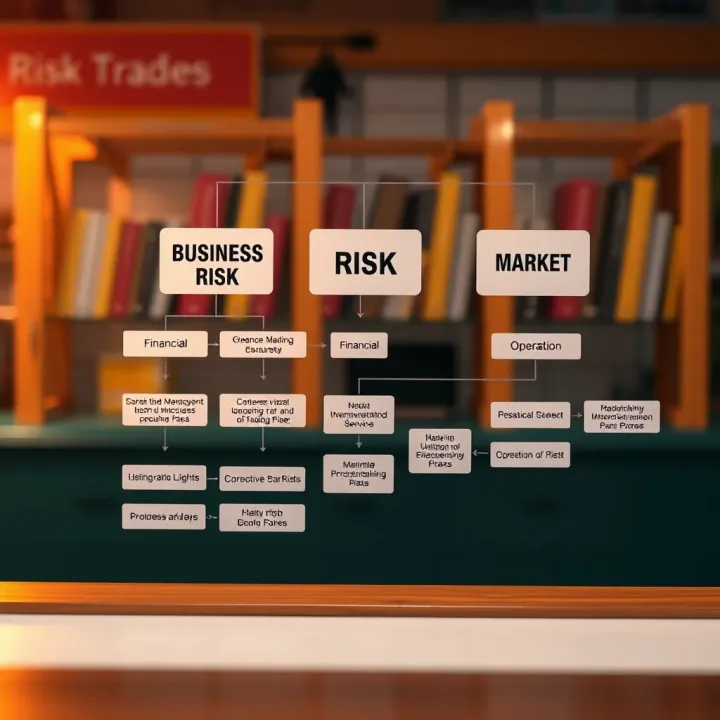
📊 Understand risk management basics and methods that Kenyan businesses can apply to stay resilient, make smarter decisions, and secure growth.

📊 Understand how risk management helps Kenyan businesses identify and tackle threats effectively. Learn key steps, tools, and challenges to protect your organisation.
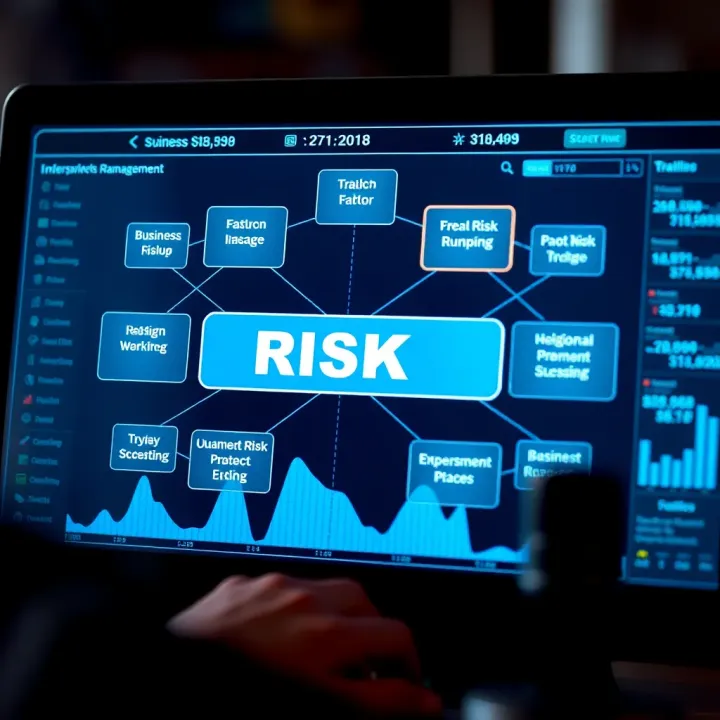
📊 Learn how businesses and individuals identify, assess, and control risks with practical steps. Improve decisions and guard your operations against potential threats today.
Based on 9 reviews